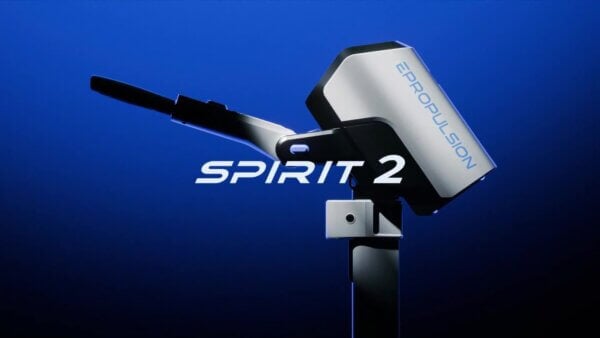
The evolution of electric outboard motors has been a significant development in the boating industry, marking a shift from traditional gasoline-powered engines to more sustainable alternatives. This transition has been driven by a combination of technological advancements, environmental concerns, and changing consumer preferences. In recent years, manufacturers have invested heavily in research and development to create electric outboard motors that are not only efficient but also powerful enough to meet the demands of various boating activities.
The rise of electric outboards can be traced back to the growing awareness of climate change and the need for cleaner energy sources, prompting both recreational and commercial boaters to seek out greener options. As electric outboard motors gain traction, they are becoming increasingly popular among a diverse range of users, from casual boaters to professional fishermen. The appeal lies not only in their environmental benefits but also in their operational advantages.
With the ability to provide quiet, smooth propulsion, electric outboards enhance the overall boating experience. Additionally, the proliferation of charging infrastructure and advancements in battery technology have made it easier for boaters to adopt electric propulsion systems. As a result, the market for electric outboard motors is expanding rapidly, with numerous manufacturers entering the fray and offering a variety of models tailored to different needs and preferences.
Advantages of Electric Outboard Motors
One of the most compelling advantages of electric outboard motors is their operational efficiency. Unlike traditional internal combustion engines, which can be noisy and require regular maintenance, electric motors operate quietly and with minimal upkeep. This not only enhances the enjoyment of being on the water but also reduces the stress on marine life, making electric outboards an attractive option for eco-conscious boaters.
Furthermore, electric motors provide instant torque, allowing for quick acceleration and responsive handling, which can be particularly beneficial in competitive settings or when navigating tight spaces. Another significant advantage is the cost savings associated with electric outboard motors. While the initial investment may be higher than that of a conventional outboard, the long-term savings can be substantial.
Electric motors typically have lower operating costs due to reduced fuel expenses and less frequent maintenance requirements. For instance, boaters no longer need to purchase gasoline or oil, which can add up over time. Additionally, many electric outboards are designed to be compatible with solar charging systems, further decreasing reliance on fossil fuels and enhancing energy independence.
Environmental Impact of Electric Outboard Motors
The environmental impact of electric outboard motors is one of the primary reasons for their growing popularity. Traditional gasoline engines contribute significantly to air and water pollution through emissions and fuel spills. In contrast, electric outboards produce zero emissions during operation, making them a cleaner alternative that helps protect aquatic ecosystems.
This is particularly important in sensitive areas such as lakes, rivers, and coastal regions where pollution can have devastating effects on wildlife and water quality. Moreover, the use of electric outboard motors aligns with global efforts to combat climate change. As countries implement stricter regulations on emissions and promote renewable energy sources, the boating industry is also adapting to these changes.
By adopting electric propulsion systems, boaters can reduce their carbon footprint and contribute to a more sustainable future. The shift towards electric outboards not only benefits individual boaters but also supports broader environmental initiatives aimed at preserving natural resources for future generations.
Technology and Innovation in Electric Outboard Motors
The technological advancements in electric outboard motors have been remarkable over the past decade. Innovations in battery technology have played a crucial role in enhancing the performance and range of electric motors. Lithium-ion batteries, for example, have become the standard due to their high energy density, lightweight design, and longer lifespan compared to traditional lead-acid batteries.
These improvements allow electric outboards to operate for extended periods without needing frequent recharging, making them more practical for various boating activities. In addition to battery advancements, manufacturers are incorporating smart technology into electric outboard motors. Features such as integrated GPS systems, real-time performance monitoring, and mobile app connectivity enable boaters to optimize their usage and track their energy consumption.
Some models even offer regenerative braking capabilities, allowing the motor to recharge while slowing down or descending. These innovations not only enhance user experience but also contribute to more efficient energy management on the water.
Cost and Efficiency of Electric Outboard Motors
When evaluating the cost-effectiveness of electric outboard motors, it is essential to consider both initial investment and long-term operational expenses. While the upfront cost of purchasing an electric motor may be higher than that of a traditional gasoline engine, potential savings on fuel and maintenance can offset this difference over time. For instance, studies have shown that electric motors can reduce fuel costs by up to 90%, depending on usage patterns and local fuel prices.
This significant reduction in operating expenses makes electric outboards an attractive option for both recreational and commercial boaters. Efficiency is another critical factor that sets electric outboard motors apart from their gasoline counterparts. Electric motors convert a higher percentage of energy from their power source into usable propulsion compared to internal combustion engines.
This means that boaters can travel further on less energy, maximizing their range and minimizing environmental impact. Additionally, many electric outboards are designed with advanced propeller technology that enhances thrust while reducing drag, further improving overall efficiency on the water.
Maintenance and Longevity of Electric Outboard Motors
The maintenance requirements for electric outboard motors are considerably lower than those for traditional gasoline engines. Electric motors have fewer moving parts, which translates to less wear and tear over time. This simplicity not only reduces the frequency of maintenance tasks but also lowers the likelihood of mechanical failures that can lead to costly repairs or downtime on the water.
For example, there is no need for oil changes or fuel filter replacements, which are standard maintenance tasks for gasoline engines. In terms of longevity, electric outboard motors are designed to withstand harsh marine environments while providing reliable performance over many years. With proper care and attention to battery management—such as regular charging cycles and avoiding deep discharges—boat owners can expect their electric motors to last significantly longer than traditional engines.
Many manufacturers offer warranties that reflect this durability, often extending up to five years or more for both the motor and battery systems.
Future of Electric Outboard Motors
Looking ahead, the future of electric outboard motors appears promising as advancements in technology continue to reshape the landscape of recreational boating. Ongoing research into battery technology aims to further increase energy density while reducing costs, making electric propulsion even more accessible to a broader audience. Innovations such as solid-state batteries could revolutionize energy storage by offering higher capacities with improved safety profiles.
Additionally, as governments worldwide implement stricter emissions regulations and promote renewable energy initiatives, the demand for electric outboards is expected to rise significantly.
The boating industry will likely see increased collaboration between manufacturers and technology companies focused on developing integrated solutions that enhance performance while minimizing environmental impact.
As these trends unfold, it is clear that electric outboard motors will play an integral role in shaping the future of sustainable boating practices for years to come.
Further Reading
If you’re interested in learning more about electric outboard boat motors, you might find the article titled “All Your Questions About Electric Outboard Motor Range Answered” particularly insightful. This article delves into the various aspects of electric outboard motor range, addressing common queries and providing detailed explanations to help you make informed decisions. You can read the full article by following this link.